I didn’t exactly grow up with a camera in my hands but I did grow up with music. As a subject, music is a special kind of challenge. For one, capturing a gig means you have to capture what it felt like to be there, what it sounded like, how it went. I don’t have the technology to accurately capture sound. I think I’m decent at moods though.
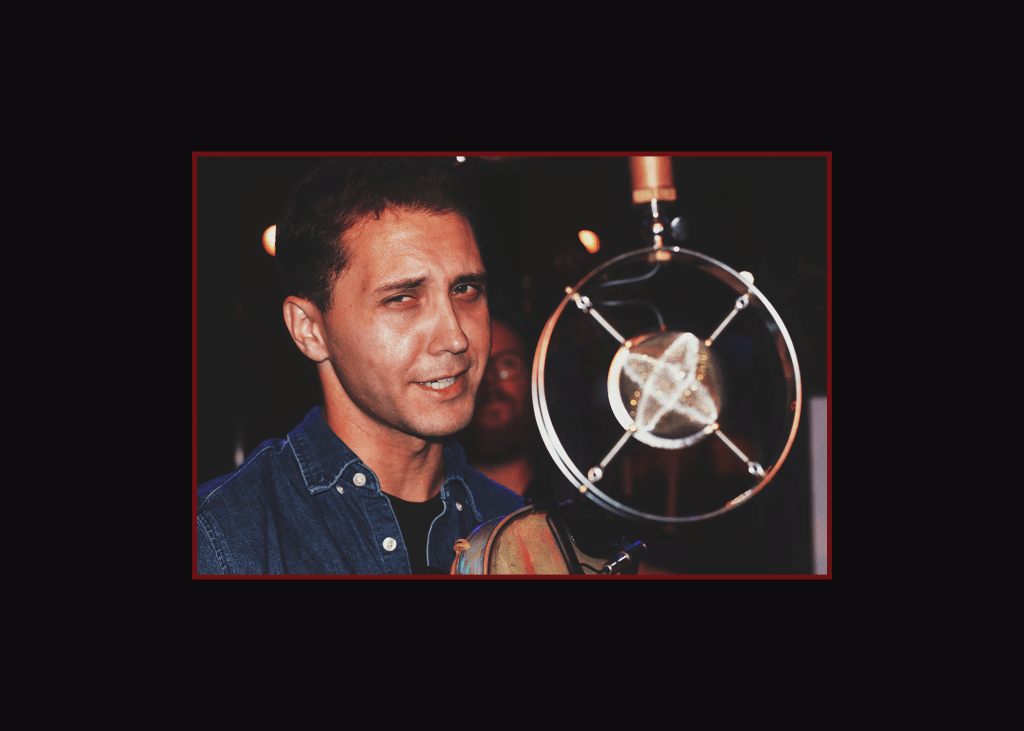
I’ve shot some shows and rather than just jump into a mild review of those events I’d rather save a bit of my sanity. If I were to review every single gig I went to I’d have to get used to writing these on my phone, furiously jotting notes while trying to listen to the goings-ons, then find a way to write it out while it’s still fresh enough to compose some lightly ruminated thoughts.
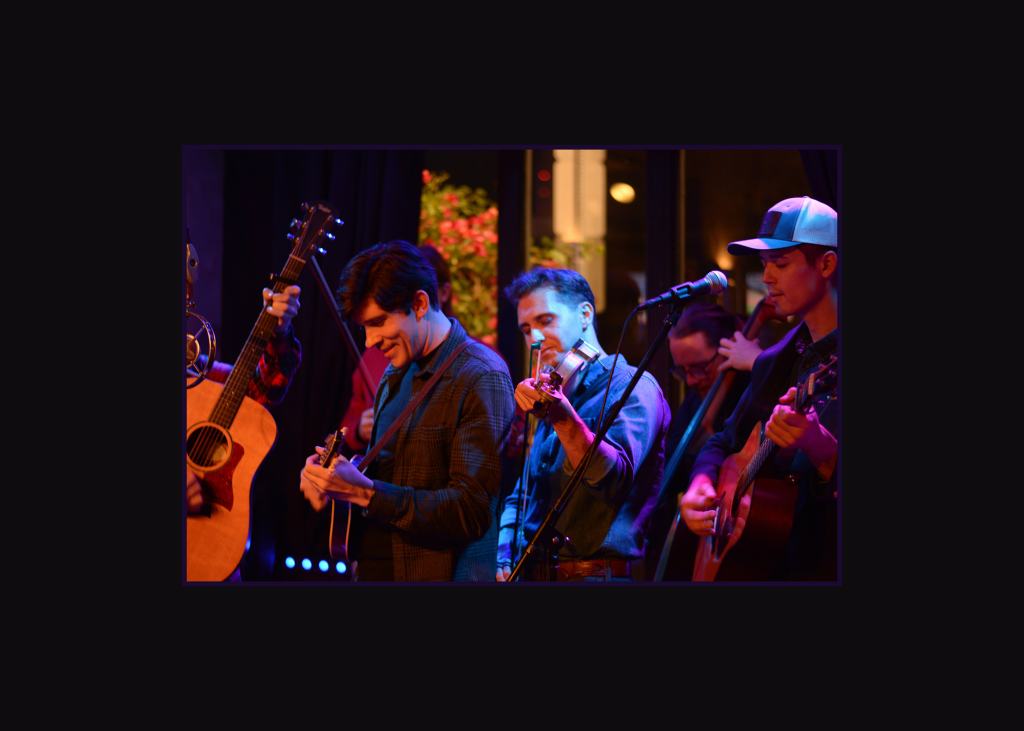
Purchasing a prime lens for my main camera has changed the way I’ve shot shows. For one, what they say and have been saying for roughly the past half century about prime lenses is true: it changes the way you interact with your subject. Being unable to zoom forces you to move your body to get closer or further away from what you want. Musicians on stage don’t really care about this aspect. They move around. It’s easy to get a singer when they’re pressed up to the mic, but the micro movements that come with strumming a guitar or the subjects eyeline makes composition a challenge. This is not at all a problem for portraits. Not in the slightest. Get the subject in frame. Focus correctly. Snap the shot. Don’t let anyone tell you photography is an inaccessible high skill-cap medium.
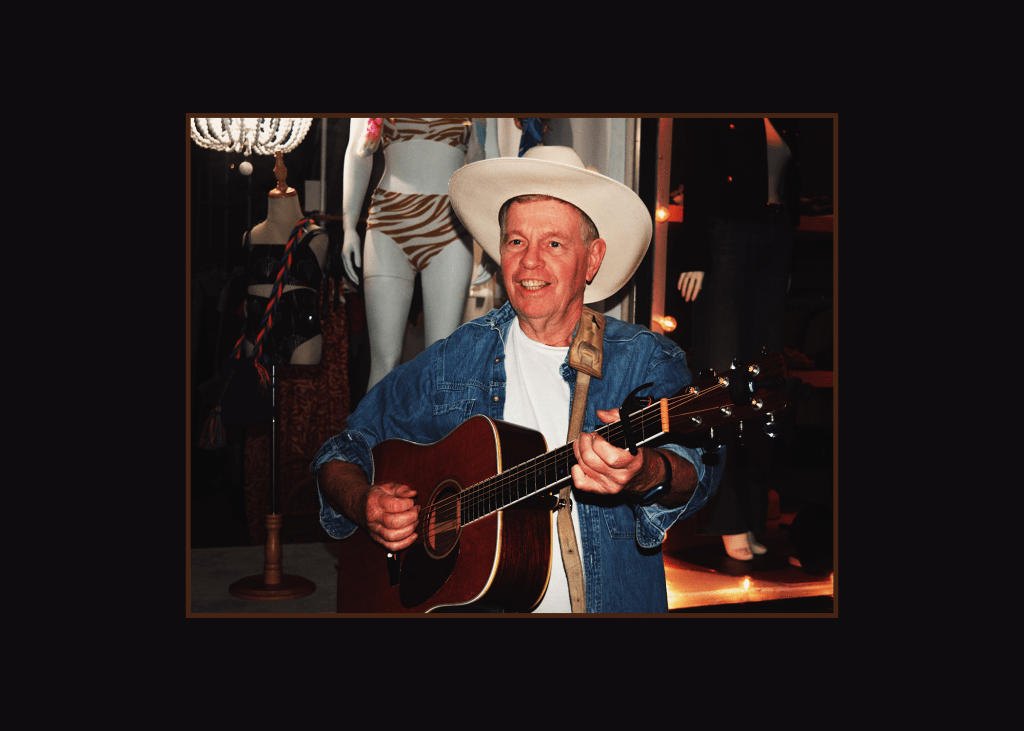
While shooting ‘The Guesthouse’, I had to work with the tiny stage and frame the band against themselves, using the bodies as borders for the shots. At a frenetic backyard punk show I had to work with the night sky, abandoned cars, and the ground.
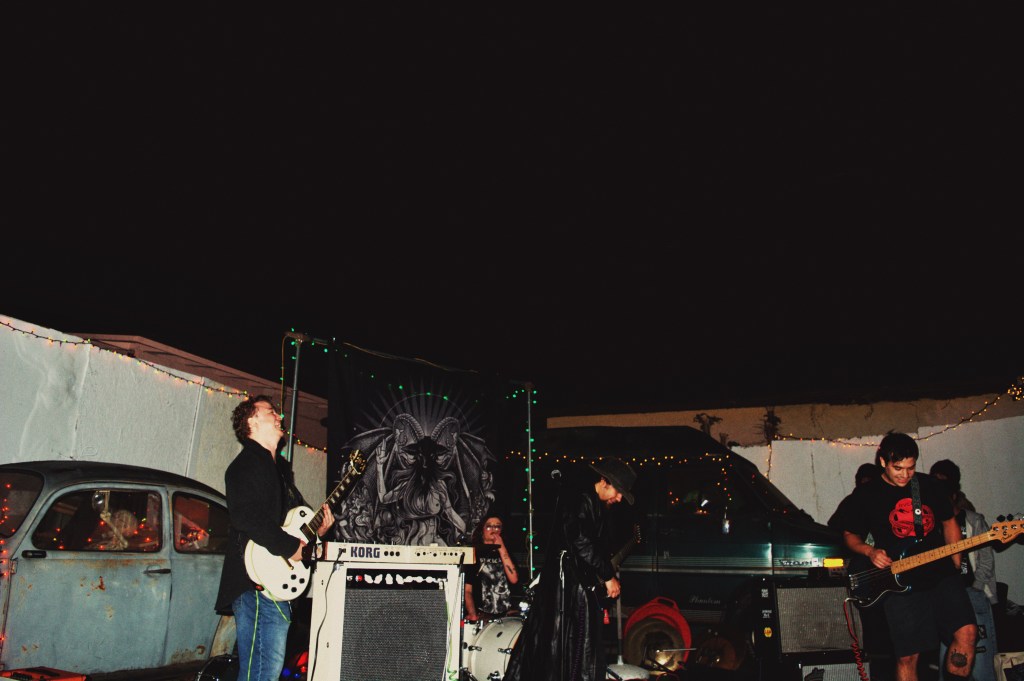
I get the shot I want because for the most part the band doesn’t really care what shots you get so long as they look at least cool. So, balancing my identity and intent with what makes them look cool are the metrics we work with.
 Northern Tier
Leave a comment